

[[{“value”:”
Google has been pushing Gemini into every corner of its ecosystem this year, and now it’s coming for smart speakers and displays. Starting in October, early access to Gemini for Home will roll out, marking the beginning of the end for Google Assistant as the default voice control for smart home devices. This substitution could be the update that fixes the countless broken automations and other headaches Google Home users frequently encounter.
Could this be the fix Google Home users have been begging for?
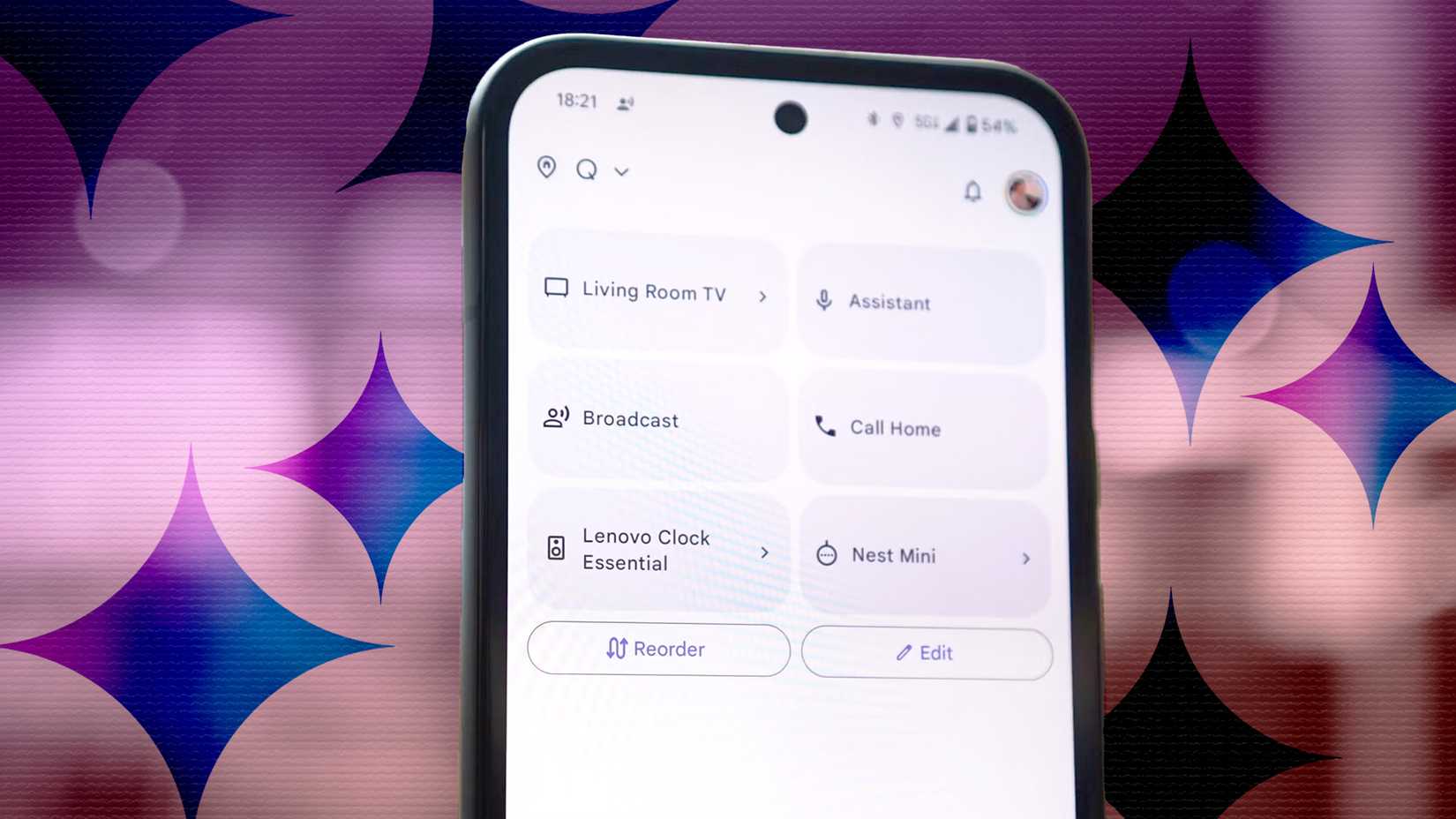 Source: Mike Burgess / Android Police
Google Home users have been complaining about myriad broken Google Home functions for well over a year, with little evidence of an overarching fix in the works, and Gemini could finally be it.
Gemini for Home can handle all the things Assistant does today — controlling lights, playing music, running routines, managing calendars — but with more ease. It allows for more conversational language, so you can say something like, “Turn off all the lights except in the kitchen,” instead of a more carefully worded command.
This more natural language control could fix issues Assistant had with scheduling. Its inconsistent language recognition made it only moderately reliable, whereas Gemini should be able to take on requests like, “Set the AC to 75 degrees in half an hour,” as you’re on your way home from dinner.
How Gemini is already working with smart homes
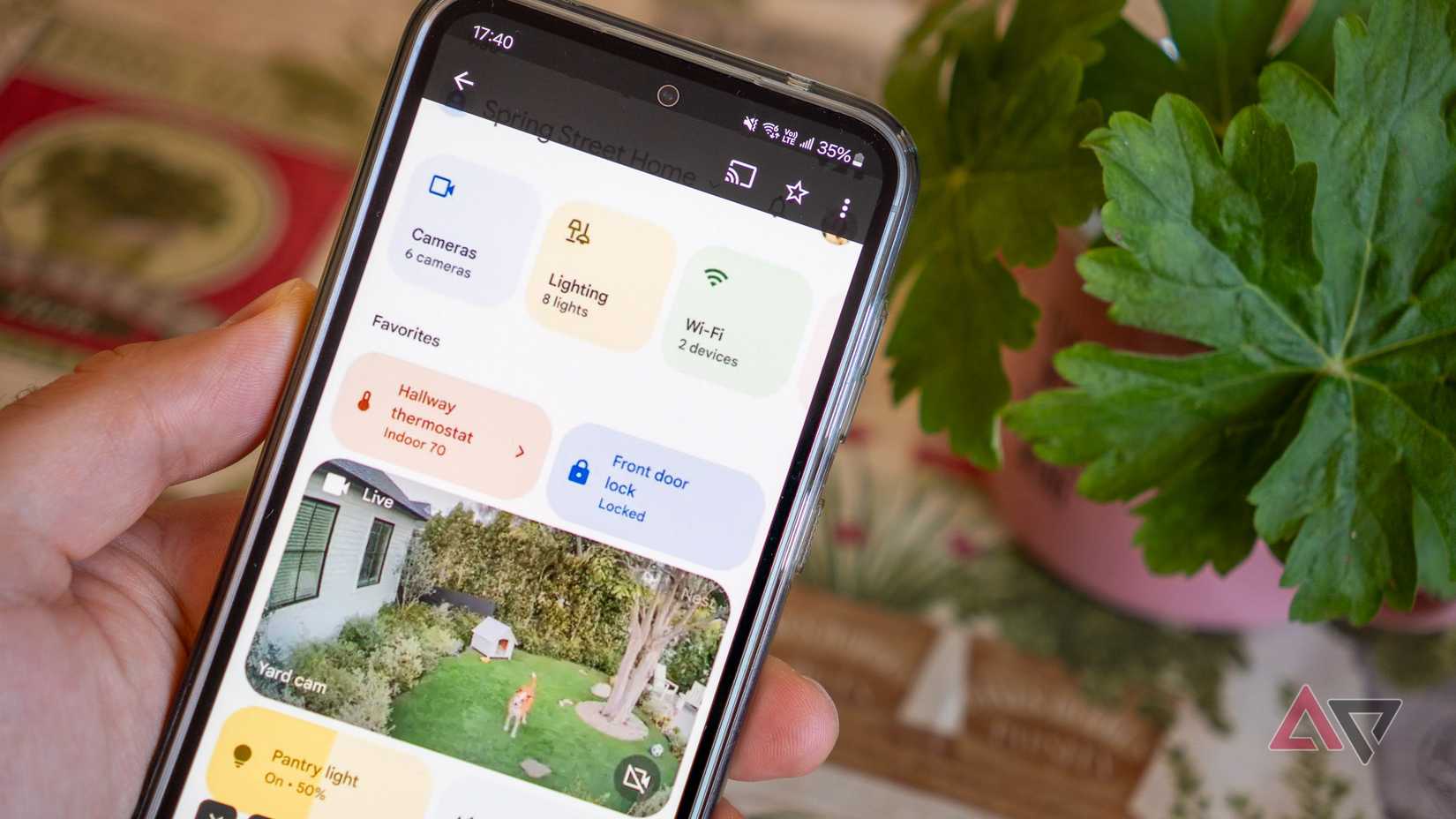
Google’s increasing Gemini for Home integration builds on groundwork laid last year, when the chatbot and AI agent first arrived in the Google Home app. At launch, it was little more than an experiment. Over time, though, Gemini has started to outpace Assistant at juggling complex, conversational requests.
Some ambitious users have already ditched traditional Google Home Routines in favor of Gemini’s flexibility. Instead of programming fixed automations that don’t necessarily streamline with real life, Gemini smart homes rely on the software’s understanding of natural language to improvise. This (sometimes) results in faster, more reliable control, without the need to memorize exact device names or collect tons of shortcuts.
The cost of improvement

Of course, Gemini isn’t perfect. The AI still stumbles in certain cases where Assistant’s years of refinement shines through, like when handling multiple calendars or switching languages on the fly.
Furthermore, we don’t yet know how many of Gemini for Home’s features will land behind a paywall. Google has confirmed the existence of both free and paid tiers, though it hasn’t indicated where the cutoff will be. Given how premium Gemini access already works on phones (including advanced reasoning being reserved for subscribers), there’s reason to question if seemingly “basic” smart home features might eventually cost extra.
So, while the upcoming Gemini for Home promises more intuitive and versatile control, it also raises some questions. If you’ve built your smart home around Assistant’s quirks and workarounds, you’ll want to brace yourself: Gemini is the future, and soon it won’t be optional.
Early access begins in October, with an expanding transition following shortly after. For now, we’ll be watching closely to see if Gemini can deliver on its promise of a truly flexible, conversational smart home. Hopefully, it can do so without breaking the habits and setups users have relied on for years. And in the best-case scenario, Gemini’s arrival fixes some of the many problems we’ve seen arise over time.
“}]]